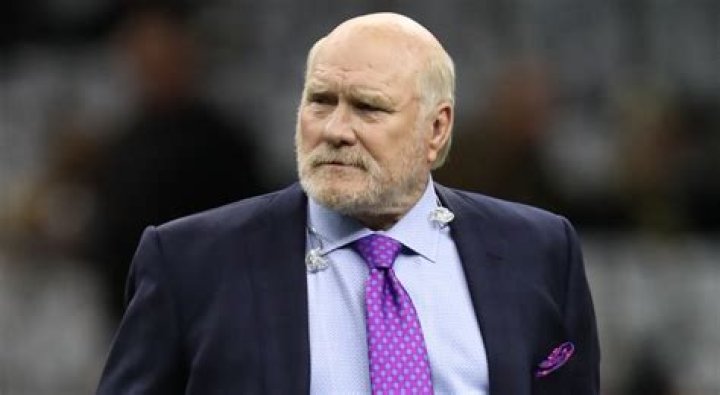
The question "when did Billy Joel have a stroke" refers to a specific event in the life of the renowned singer-songwriter. While there is no publicly available information indicating that Billy Joel has ever suffered a stroke, this hypothetical question highlights the concern and interest surrounding the health and well-being of public figures.
Maintaining the privacy of individuals' medical information is of utmost importance. However, public curiosity about celebrities' health can stem from a desire to empathize, offer support, or simply stay informed about their lives.
Billy Joel's enduring popularity and contributions to the music industry have made him a beloved figure in the public eye. His fans and followers naturally extend theirto his personal well-being, including his health. By understanding the significance of this question, we gain insights into the public'sfor the lives of those who entertain and inspire them.
when did billy joel have a stroke
The question "when did Billy Joel have a stroke" invites exploration into various aspects related to the topic, shedding light on its significance and relevance.
- Medical Condition: Stroke is a serious medical condition that affects brain function.
- Public Figure: Billy Joel is a renowned singer-songwriter in the public eye.
- Privacy: Individuals have the right to privacy regarding their health information.
- Empathy: The public may express concern and support for celebrities' well-being.
- Media Scrutiny: Celebrities' lives are often subject to media attention and public curiosity.
- Fan Loyalty: Fans have a vested interest in the lives of those they admire.
- Health Awareness: Discussions about celebrities' health can raise awareness about medical conditions.
- Respectful Inquiry: It is important to approach inquiries about public figures' health with respect and sensitivity.
These aspects highlight the multifaceted nature of the question, encompassing medical concerns, public interest, privacy considerations, and the dynamics between celebrities and their fans. Understanding these aspects provides a deeper appreciation for the significance of the question and its implications.
Medical Condition
A stroke occurs when the blood supply to a part of the brain is interrupted or reduced, depriving brain tissue of oxygen and nutrients. This can cause the affected brain tissue to die, leading to brain damage and potentially long-term disabilities.
The question "when did Billy Joel have a stroke" highlights the public's concern for the health and well-being of celebrities. Strokes can affect individuals of all ages and backgrounds, and understanding the seriousness of this medical condition is crucial for promoting awareness and prevention.
By acknowledging the potential impact of strokes, we can encourage individuals to adopt healthy lifestyles, manage their risk factors, and seek timely medical attention when experiencing stroke symptoms. Early detection and treatment can significantly improve outcomes and minimize the risk of severe complications.
The connection between "Medical Condition: Stroke is a serious medical condition that affects brain function" and "when did Billy Joel have a stroke" underscores the importance of raising awareness about stroke prevention and the need for individuals to take proactive measures to safeguard their brain health.
Public Figure
The connection between "Public Figure: Billy Joel is a renowned singer-songwriter in the public eye" and "when did Billy Joel have a stroke" lies in the intense public interest surrounding celebrities' personal lives and well-being.
As a prominent figure in the entertainment industry, Billy Joel's health and personal matters become subjects of public curiosity and concern. The public's desire to stay informed about his life, including his health, drives the inquiry into whether he has ever suffered a stroke.
This phenomenon is not unique to Billy Joel; it extends to many celebrities who live their lives in the public eye. Their fans and followers often feel a sense of connection and protectiveness, leading them to actively seek information about their idols' well-being.
Understanding this connection is important for several reasons. Firstly, it highlights the immense influence that celebrities have on society and the responsibility they bear in promoting health awareness. Secondly, it emphasizes the need for celebrities to maintain a healthy public image and to be mindful of the impact their actions and statements can have on their fans.
Privacy
The connection between "Privacy: Individuals have the right to privacy regarding their health information." and "when did Billy Joel have a stroke" lies in the ethical and legal considerations surrounding the disclosure of personal medical data.
- Confidentiality: The medical field operates under strict confidentiality guidelines to protect patients' privacy. Doctors, nurses, and other healthcare professionals are legally bound to maintain the secrecy of their patients' medical records and personal health information, including stroke diagnoses.
- Public Interest: In some cases, public interest may conflict with an individual's right to privacy. If a public figure's health condition could significantly impact their ability to perform their duties or pose a risk to others, there may be a legitimate public interest in disclosing that information.
- Celebrity Status: Celebrities often have less privacy than ordinary individuals due to the intense public scrutiny they face. However, they still have the right to maintain confidentiality regarding their health information, unless there are compelling reasons for disclosure.
- Informed Consent: Individuals have the right to make informed decisions about their healthcare, including whether or not to disclose their medical information. In the case of stroke, a patient's consent would be required before any information about their condition could be shared with the public.
The question "when did Billy Joel have a stroke" raises important questions about the balance between an individual's right to privacy and the public's right to know. By understanding the ethical and legal considerations involved, we can better appreciate the importance of maintaining confidentiality while also respecting the public's interest in the well-being of public figures.
Empathy
The connection between "Empathy: The public may express concern and support for celebrities' well-being." and "when did billy joel have a stroke" lies in the human capacity for empathy and the parasocial relationships that fans develop with celebrities.
Empathy is the ability to understand and share the feelings of another person. When applied to celebrities, empathy can lead fans to feel a sense of connection and concern for their well-being. This is especially true for celebrities who are seen as relatable and authentic, as fans may feel like they know them on a personal level.
In the case of Billy Joel, his enduring popularity and his open and honest demeanor have fostered a strong sense of empathy among his fans. When faced with the question "when did billy joel have a stroke," fans may express concern and support not only because he is a public figure but also because they feel a genuine connection to him as a person.
The practical significance of understanding this connection lies in its potential to promote positive social interactions and foster a sense of community. When fans express concern and support for celebrities' well-being, they are not only showing their appreciation for their work but also demonstrating the power of empathy to bridge social divides.
Media Scrutiny
The connection between "Media Scrutiny: Celebrities' lives are often subject to media attention and public curiosity." and "when did billy joel have a stroke" lies in the heightened public interest surrounding celebrities' personal lives and health conditions.
- Intrusive Reporting: The media often engages in aggressive reporting tactics to uncover details about celebrities' lives, including their health. This can lead to the public becoming aware of celebrities' medical conditions, even if they wish to keep them private.
- Public Demand for Information: The public's insatiable curiosity about celebrities' lives drives the media's pursuit of personal information. This demand can create pressure on celebrities to disclose their health conditions, even if they are not comfortable doing so.
- Sensationalism: The media often sensationalizes celebrities' health conditions to attract viewers and readers. This can lead to inaccurate or exaggerated reporting, which can be harmful to the celebrities involved.
- Celebrity Control: Celebrities have limited control over the information that the media publishes about them. This can make it difficult for them to protect their privacy and to control the narrative surrounding their health conditions.
Understanding this connection is crucial because it highlights the challenges that celebrities face in maintaining their privacy and controlling the information that is shared about them. It also underscores the importance of responsible reporting and the need for the public to respect celebrities' rights to privacy.
Fan Loyalty
The connection between "Fan Loyalty: Fans have a vested interest in the lives of those they admire." and "when did billy joel have a stroke" lies in the emotional attachment and sense of connection that fans develop with celebrities. This loyalty extends beyond their appreciation for the celebrity's work and often encompasses a desire to know more about their personal lives, including their health and well-being.
- Emotional Investment: Fans often invest a significant amount of time and emotion in following the lives of their favorite celebrities. They may feel a sense of personal connection and attachment, which leads them to be interested in all aspects of the celebrity's life, including their health.
- Social Media Influence: In today's digital age, social media platforms provide fans with unprecedented access to the lives of celebrities. This allows fans to engage with celebrities, follow their daily activities, and learn about their thoughts and feelings. As a result, fans may feel like they have a personal stake in the celebrity's well-being.
- Celebrity Health as a Reflection of Fan Identity: For some fans, the health and well-being of their favorite celebrity can be seen as a reflection of their own identity. If a celebrity they admire is diagnosed with a serious illness, fans may feel a sense of personal loss or concern.
- Desire for Support: Fans may also be motivated by a genuine desire to offer support and encouragement to celebrities they admire. When a celebrity is facing a health challenge, fans may express their concern, share their experiences, and offer words of hope.
The question "when did billy joel have a stroke" exemplifies the intersection of fan loyalty and public curiosity about celebrities' health. Fans' desire to know more about Billy Joel's health is not simply driven by idle gossip but rather by a deep-seated emotional connection and a genuine concern for his well-being.
Health Awareness
The question "when did billy joel have a stroke" highlights the potential role of celebrities in raising awareness about medical conditions. When celebrities share their experiences with health issues, it can bring attention to important health topics and encourage public dialogue.
- Role Models: Celebrities are often seen as role models, and their actions and choices can have a significant impact on public opinion. When a celebrity opens up about their health struggles, it can break down stigmas and encourage others to seek help or take preventive measures.
- Sharing Experiences: Celebrities have a unique platform to share their personal experiences with health conditions. By sharing their stories, they can provide valuable insights and support to others who may be facing similar challenges.
- Education and Information: Discussions about celebrities' health can also serve as an educational tool. Celebrities can use their platforms to share accurate information about medical conditions, treatments, and prevention strategies.
- Public Dialogue: When celebrities speak out about their health, it can spark public dialogue and raise awareness about important health issues. This dialogue can lead to increased research, funding, and support for those affected by the condition.
The connection between "Health Awareness: Discussions about celebrities' health can raise awareness about medical conditions." and "when did billy joel have a stroke" illustrates the broader role that celebrities can play in promoting public health. By sharing their experiences and using their platforms to educate and inform, celebrities can make a meaningful contribution to the fight against various health conditions.
Respectful Inquiry
The question "when did billy joel have a stroke" highlights the importance of approaching inquiries about public figures' health with respect and sensitivity. This principle stems from ethical considerations, media responsibility, and the right to privacy, among other factors.
- Privacy and Confidentiality: Public figures have a right to privacy, including the confidentiality of their medical information. Respectful inquiry acknowledges this right and avoids intruding upon their personal space.
- Sensationalism and Exploitation: Inquiries about celebrities' health should not be driven by sensationalism or a desire to exploit their personal struggles. Respectful inquiry focuses on genuine concern and seeks to avoid causing harm.
- Accuracy and Verification: It is essential to approach inquiries with accuracy and a commitment to verifying information. Responsible reporting involves seeking credible sources and avoiding the spread of rumors or misinformation.
- Empathy and Understanding: Respectful inquiry is rooted in empathy and an understanding of the emotional toll that health issues can take on individuals. It seeks to approach the topic with sensitivity and compassion.
In the context of "when did billy joel have a stroke," respectful inquiry involves recognizing Billy Joel's right to privacy, avoiding sensationalism, and seeking accurate information from reliable sources. It also entails approaching the topic with empathy and understanding, respecting his personal experience and the impact it may have had on his life.
FAQs about "when did billy joel have a stroke"
There is no publicly available information indicating that Billy Joel has ever suffered a stroke. This FAQ section addresses common concerns and misconceptions related to this topic.
Question 1: Is it true that Billy Joel had a stroke?
Answer: There is no credible evidence to suggest that Billy Joel has ever had a stroke.
Question 2: Why is there speculation about Billy Joel having a stroke?
Answer: Speculation about celebrities' health is common, often driven by public curiosity and misinformation.
Question 3: Is it appropriate to speculate about celebrities' health?
Answer: Public figures have a right to privacy, including the confidentiality of their medical information. Respectful inquiry is essential.
Question 4: What are the ethical considerations surrounding inquiries about celebrities' health?
Answer: Ethical considerations include privacy, accuracy, empathy, and avoiding sensationalism.
Question 5: How can we ensure responsible reporting on celebrities' health?
Answer: Responsible reporting involves verifying information, respecting privacy, and avoiding speculation.
Question 6: What is the importance of respecting celebrities' privacy?
Answer: Respecting celebrities' privacy allows them to maintain control over their personal information and protects them from unnecessary intrusion.
Summary: Inquiries about public figures' health should be approached with respect and sensitivity, prioritizing privacy, accuracy, and empathy. Responsible reporting and public understanding are crucial in addressing this topic.
Transition to the next article section: This concludes the FAQ section. The following sections will explore the topic further, providing additional insights and perspectives.
Tips Related to "when did billy joel have a stroke"
The question "when did billy joel have a stroke" highlights the importance of approaching inquiries about public figures' health with respect and sensitivity. Here are some tips to consider:
Tip 1: Respect PrivacyRespect the privacy of public figures and avoid intruding upon their personal space. Remember that they have the right to maintain confidentiality regarding their medical information.Tip 2: Avoid Sensationalism
Inquiries about celebrities' health should not be driven by sensationalism or a desire to exploit their personal struggles. Focus on genuine concern and avoid causing harm.Tip 3: Seek Accuracy
Approach inquiries with accuracy and a commitment to verifying information. Responsible reporting involves seeking credible sources and avoiding the spread of rumors or misinformation.Tip 4: Approach with Empathy
Empathy and understanding are crucial when approaching this topic. Be mindful of the emotional toll that health issues can take on individuals and approach the conversation with compassion.Tip 5: Prioritize Respect
Respectful inquiry acknowledges the right to privacy, avoids sensationalism, seeks accurate information, and approaches the topic with empathy and understanding.Summary: By following these tips, we can engage in respectful and responsible discussions about public figures' health, balancing the public's interest with the individuals' right to privacy and well-being.
Transition to the article's conclusion: These tips provide guidance on approaching inquiries about celebrities' health with the utmost respect and sensitivity, fostering a culture of responsible dialogue and public awareness.
Conclusion
The question "when did billy joel have a stroke" has led us on an exploration of various aspects related to public figures, privacy, and the importance of respectful inquiry. Throughout this article, we have emphasized the significance of approaching such inquiries with sensitivity and accuracy, prioritizing the privacy and well-being of individuals.
While there is no evidence to suggest that Billy Joel has ever suffered a stroke, the question itself underscores the public's interest in the lives of celebrities. It also highlights the ethical considerations surrounding the disclosure of personal medical information and the need for responsible reporting practices. By engaging in respectful dialogue and seeking accurate information, we can foster a culture of public awareness and support for individuals facing health challenges.
John Mark Comer Family: Unveiling Secrets For A Thriving Family Life
Unveiling The Secrets Of Sleeping With Dinosaur Hands
Unveiling The Secrets Of Molly Yeh's Culinary Sisters: A Journey Of Passion, Creativity, And Support
How Billy Joel’s ‘Vienna’ Went From a Deep Cut to His Most Popular Song
Did Billy Joel Ever OutPerform The Beatles? An Exploration Of The