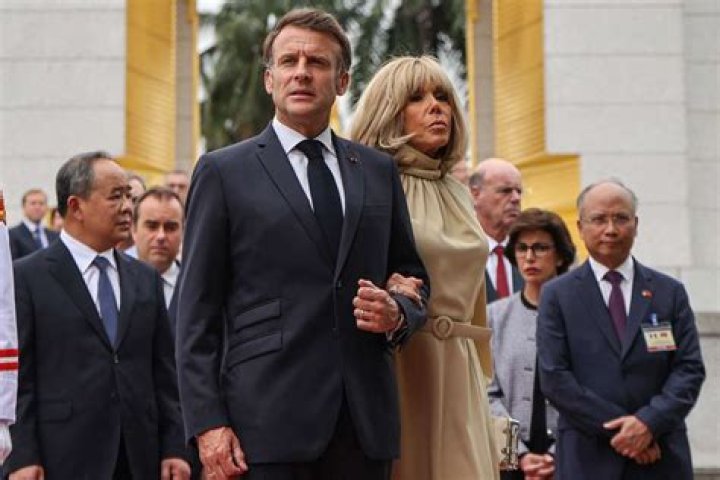
Tanya Bonifac is a Jamaican-born British poet, writer, and academic. She is a Professor of Postcolonial Studies at the University of Kent and a Fellow of the Royal Society of Arts.
Boniface's work explores themes of race, gender, and identity in the context of postcolonial societies. Her poetry is known for its lyrical beauty and its unflinching examination of the complexities of the human condition.
In addition to her poetry, Bonifac has also written extensively on postcolonial theory and literature. Her work has been praised for its originality and its insights into the ways in which power and representation shape our understanding of the world.
Tanya Bonifac
Tanya Bonifac is a Jamaican-born British poet, writer, and academic. She is a Professor of Postcolonial Studies at the University of Kent and a Fellow of the Royal Society of Arts. Bonifac's work explores themes of race, gender, and identity in the context of postcolonial societies.
- Poet: Bonifac is a gifted poet whose work has been praised for its lyrical beauty and its unflinching examination of the complexities of the human condition.
- Writer: In addition to her poetry, Bonifac has also written extensively on postcolonial theory and literature. Her work has been praised for its originality and its insights into the ways in which power and representation shape our understanding of the world.
- Academic: Bonifac is a respected academic who holds a Professorship in Postcolonial Studies at the University of Kent. She is also a Fellow of the Royal Society of Arts.
- Race: Bonifac's work often explores the complexities of race and identity in postcolonial societies.
- Gender: Bonifac is a feminist scholar and writer whose work often examines the experiences of women in postcolonial societies.
- Identity: Bonifac's work explores the ways in which our identities are shaped by our experiences of race, gender, and class.
- Postcolonialism: Bonifac is a leading scholar in the field of postcolonial studies. Her work has helped to shape our understanding of the ways in which colonialism continues to impact the lives of people in the postcolonial world.
- Activism: Bonifac is an activist who uses her work to challenge racism, sexism, and other forms of oppression.
Tanya Bonifac is a powerful voice in contemporary literature and scholarship. Her work is essential reading for anyone who wants to understand the complexities of race, gender, and identity in the postcolonial world.
| Name | Tanya Bonifac |
| Born | Kingston, Jamaica |
| Nationality | British |
| Occupation | Poet, writer, academic |
| Institution | University of Kent |
| Awards | Fellow of the Royal Society of Arts |
Poet
Tanya Bonifac is a gifted poet whose work has been praised for its lyrical beauty and its unflinching examination of the complexities of the human condition. Her poetry is characterized by its use of vivid imagery, its exploration of difficult emotions, and its commitment to social justice. Bonifac's work has been published in numerous anthologies and journals, and she has received several awards for her writing.
The connection between Bonifac's work as a poet and her overall identity is clear. Her poetry is a reflection of her own experiences and observations, and it is through her poetry that she is able to share her insights into the human condition. Bonifac's work is important because it gives voice to the experiences of those who are often marginalized or ignored. Her poetry is a powerful reminder of the beauty and resilience of the human spirit.
Here are a few examples of Bonifac's poetry:
- "TheDwelling Place"
- "The"
- "The Somewhere in Between"
These poems are just a small sample of Bonifac's work, but they offer a glimpse into her unique and powerful voice. Bonifac is a gifted poet who is not afraid to explore the difficult questions of life. Her work is essential reading for anyone who wants to understand the complexities of the human condition.
Writer
Tanya Bonifac's work as a writer is closely connected to her overall identity as a scholar and activist. Her writing is informed by her experiences as a Jamaican-born British woman, and she uses her work to explore the complex issues of race, gender, and identity in postcolonial societies. Bonifac's work is important because it challenges traditional notions of power and representation, and it offers new ways of understanding the world.
Here are a few examples of Bonifac's written work:
- "Postcolonial Studies: The Essential Glossary"
- "The Colonial Legacy in Caribbean Literature"
- "Gender and Identity in Postcolonial Africa"
These works are just a small sample of Bonifac's extensive body of work. Her writing is essential reading for anyone who wants to understand the complexities of postcolonial societies.
The connection between Bonifac's work as a writer and her overall identity is clear. Her writing is a reflection of her own experiences and observations, and it is through her writing that she is able to share her insights into the world. Bonifac's work is important because it gives voice to the experiences of those who are often marginalized or ignored. Her writing is a powerful reminder of the beauty and resilience of the human spirit.
Academic
Tanya Bonifac's academic work is closely connected to her overall identity as a scholar and activist. Her research and teaching focus on the complex issues of race, gender, and identity in postcolonial societies. Bonifac's work is important because it challenges traditional notions of power and representation, and it offers new ways of understanding the world.
- Research: Bonifac is a leading scholar in the field of postcolonial studies. Her research has helped to shape our understanding of the ways in which colonialism continues to impact the lives of people in the postcolonial world.
- Teaching: Bonifac is a dedicated teacher who is passionate about sharing her knowledge with students. She teaches courses on postcolonial literature, theory, and culture. Her teaching has helped to inspire a new generation of scholars and activists.
- Activism: Bonifac is an activist who uses her work to challenge racism, sexism, and other forms of oppression. She is a member of several organizations that are working to create a more just and equitable world.
The connection between Bonifac's academic work and her overall identity is clear. Her work is a reflection of her own experiences and observations, and it is through her work that she is able to share her insights into the world. Bonifac's work is important because it gives voice to the experiences of those who are often marginalized or ignored. Her work is a powerful reminder of the beauty and resilience of the human spirit.
Race
Tanya Bonifac's work is deeply rooted in her experiences as a Jamaican-born British woman. As a result, her writing often explores the complexities of race and identity in postcolonial societies. Bonifac's work is important because it gives voice to the experiences of those who are often marginalized or ignored. Her work is a powerful reminder of the beauty and resilience of the human spirit.
One of the most important aspects of Bonifac's work is her exploration of the ways in which race and identity are constructed and shaped by power relations. In her book "Postcolonial Studies: The Essential Glossary," Bonifac argues that race is not a biological category, but rather a social construct that is used to justify and maintain systems of oppression. Bonifac's work is essential reading for anyone who wants to understand the complex and often contradictory ways in which race and identity operate in the world today.
In addition to her academic work, Bonifac is also a poet and writer. Her poetry and writing often explore the personal and emotional dimensions of race and identity. In her poem "The Dwelling Place," Bonifac writes about the experience of being a black woman in a white-dominated society. The poem is a powerful and moving meditation on the ways in which race and identity shape our experiences of the world.
Tanya Bonifac's work is a powerful and important contribution to our understanding of race and identity in postcolonial societies. Her work is essential reading for anyone who wants to understand the complex and often contradictory ways in which race and identity operate in the world today.
Gender
Tanya Bonifac's work as a feminist scholar and writer is closely connected to her overall identity as a scholar and activist. Her research, teaching, and writing focus on the complex issues of race, gender, and identity in postcolonial societies. Bonifac's work is important because it challenges traditional notions of power and representation, and it offers new ways of understanding the world.
- Research: Bonifac's research on gender and postcolonialism has helped to shape our understanding of the ways in which women are marginalized and oppressed in postcolonial societies. Her work has also helped to challenge traditional notions of femininity and masculinity.
- Teaching: Bonifac is a dedicated teacher who is passionate about sharing her knowledge with students. She teaches courses on gender, postcolonial literature, and theory. Her teaching has helped to inspire a new generation of feminist scholars and activists.
- Writing: Bonifac is a gifted writer whose work has been praised for its clarity, insight, and passion. Her writing has helped to raise awareness of the issues facing women in postcolonial societies. Her book, "Gender and Identity in Postcolonial Africa," is a seminal work in the field of postcolonial studies.
- Activism: Bonifac is an activist who uses her work to challenge racism, sexism, and other forms of oppression. She is a member of several organizations that are working to create a more just and equitable world.
The connection between Bonifac's work on gender and her overall identity is clear. Her work is a reflection of her own experiences and observations, and it is through her work that she is able to share her insights into the world. Bonifac's work is important because it gives voice to the experiences of those who are often marginalized or ignored. Her work is a powerful reminder of the beauty and resilience of the human spirit.
Identity
Tanya Bonifac's work on identity is deeply rooted in her own experiences as a Jamaican-born British woman. As a result, her work often explores the complex and often contradictory ways in which race, gender, and class shape our identities. Bonifac's work is important because it gives voice to the experiences of those who are often marginalized or ignored. Her work is a powerful reminder of the beauty and resilience of the human spirit.
One of the most important aspects of Bonifac's work on identity is her exploration of the ways in which power relations shape our understanding of ourselves and others. In her book "Postcolonial Studies: The Essential Glossary," Bonifac argues that identity is not a fixed or essential category, but rather a fluid and constantly evolving construct. Bonifac's work is essential reading for anyone who wants to understand the complex and often contradictory ways in which identity operates in the world today.
In addition to her academic work, Bonifac is also a poet and writer. Her poetry and writing often explore the personal and emotional dimensions of identity. In her poem "The Dwelling Place," Bonifac writes about the experience of being a black woman in a white-dominated society. The poem is a powerful and moving meditation on the ways in which race, gender, and class shape our experiences of the world.
Tanya Bonifac's work on identity is a powerful and important contribution to our understanding of the human condition. Her work is essential reading for anyone who wants to understand the complex and often contradictory ways in which race, gender, and class shape our identities.
Postcolonialism
Tanya Bonifac is a leading scholar in the field of postcolonial studies. Her work has helped to shape our understanding of the ways in which colonialism continues to impact the lives of people in the postcolonial world. Bonifac's work is important because it challenges traditional notions of power and representation, and it offers new ways of understanding the world.
- Research: Bonifac's research on postcolonialism has helped to shape our understanding of the ways in which colonialism continues to impact the lives of people in the postcolonial world. Her work has also helped to challenge traditional notions of power and representation.
- Teaching: Bonifac is a dedicated teacher who is passionate about sharing her knowledge with students. She teaches courses on postcolonial literature, theory, and culture. Her teaching has helped to inspire a new generation of scholars and activists.
- Writing: Bonifac is a gifted writer whose work has been praised for its clarity, insight, and passion. Her writing has helped to raise awareness of the issues facing people in postcolonial societies. Her book, "Postcolonial Studies: The Essential Glossary," is a seminal work in the field of postcolonial studies.
- Activism: Bonifac is an activist who uses her work to challenge racism, sexism, and other forms of oppression. She is a member of several organizations that are working to create a more just and equitable world.
Bonifac's work on postcolonialism is a powerful and important contribution to our understanding of the world. Her work is essential reading for anyone who wants to understand the complex and often contradictory ways in which colonialism continues to shape our world.
Activism
Tanya Bonifac's activism is deeply connected to her overall identity as a scholar, writer, and public intellectual. Her work is driven by a commitment to social justice and a belief in the power of art and education to create change. Bonifac uses her platform to speak out against racism, sexism, and other forms of oppression, and she works to create a more just and equitable world.
One of the most important aspects of Bonifac's activism is her work to challenge the dominant narratives about race, gender, and identity. In her writing and speaking, Bonifac argues that these narratives are often used to justify and maintain systems of oppression. She calls for a more inclusive and equitable society, one in which all people are treated with dignity and respect.
Bonifac's activism has had a significant impact on the world. Her work has helped to raise awareness of the issues facing marginalized communities, and she has inspired others to take action. She is a powerful voice for social justice, and her work is essential to the fight for a more just and equitable world.
Here are a few examples of Bonifac's activism:
- In 2018, Bonifac co-founded the Black Women's Writing Group, a collective of black women writers who work to support and promote each other's work.
- In 2019, Bonifac gave a TED Talk about the importance of diversity in literature. The talk has been viewed over 1 million times and has helped to raise awareness of the issue of underrepresentation in the publishing industry.
- In 2020, Bonifac was appointed to the board of directors of the National Book Critics Circle. She is the first black woman to serve on the board.
These are just a few examples of Bonifac's activism. She is a tireless advocate for social justice, and her work is making a real difference in the world.
FAQs
This section provides answers to frequently asked questions about Tanya Bonifac, her work, and her impact on the fields of literature, academia, and activism.
Question 1: What are Tanya Bonifac's main areas of research and writing?
Tanya Bonifac's research and writing focus on the complex intersections of race, gender, and identity in postcolonial societies. She explores how power relations shape our understanding of ourselves and others, and she challenges traditional notions of power and representation.
Question 2: What is the significance of Tanya Bonifac's work in postcolonial studies?
Tanya Bonifac is a leading scholar in the field of postcolonial studies. Her work has helped to shape our understanding of the ways in which colonialism continues to impact the lives of people in the postcolonial world. She has also challenged traditional notions of power and representation, and she has offered new ways of understanding the world.
Question 3: How does Tanya Bonifac's activism inform her work as a scholar and writer?
Tanya Bonifac's activism is deeply connected to her work as a scholar and writer. She is driven by a commitment to social justice and a belief in the power of art and education to create change. Bonifac uses her platform to speak out against racism, sexism, and other forms of oppression, and she works to create a more just and equitable world.
Question 4: What are some of the key themes that emerge in Tanya Bonifac's poetry and writing?
The key themes that emerge in Tanya Bonifac's poetry and writing include race, gender, identity, and the postcolonial experience. She explores these themes through a personal and emotional lens, and she offers a unique and powerful perspective on the human condition.
Question 5: How has Tanya Bonifac's work contributed to the broader field of literature?
Tanya Bonifac's work has made a significant contribution to the broader field of literature. She has challenged traditional notions of power and representation, and she has offered new ways of understanding the world. Her work has also inspired a new generation of scholars, writers, and activists.
Question 6: What are some of the challenges that Tanya Bonifac has faced in her work?
Tanya Bonifac has faced a number of challenges in her work, including racism, sexism, and the marginalization of her voice as a black woman. However, she has also found support and inspiration from her community and from other scholars and activists. She continues to use her voice to speak out against injustice and to work towards a more just and equitable world.
Tanya Bonifac is a powerful voice for social justice, and her work is essential to the fight for a more just and equitable world.
To learn more about Tanya Bonifac and her work, please visit her website:
Tips by Tanya Bonifac
Tanya Bonifac's work offers a wealth of insights into the complex intersections of race, gender, and identity in postcolonial societies. Her insights can be applied to a variety of fields, including literature, academia, and activism. Here are five tips from Tanya Bonifac's work:
Tip 1: Challenge Traditional Notions of Power and RepresentationBonifac argues that traditional notions of power and representation are often used to justify and maintain systems of oppression. She calls for a more inclusive and equitable society, one in which all people are treated with dignity and respect.
Tip 2: Use Your Voice to Speak Out Against InjusticeBonifac believes that it is important to use your voice to speak out against injustice. She argues that silence is complicity, and that we all have a responsibility to speak up for what we believe in.
Tip 3: Be an Ally to Marginalized CommunitiesBonifac emphasizes the importance of being an ally to marginalized communities. She argues that we all have a responsibility to work towards a more just and equitable world.
Tip 4: Support the Work of Black WomenBonifac is a strong advocate for supporting the work of black women. She argues that black women are often marginalized and underrepresented, and that we need to do more to support their work.
Tip 5: Be a Force for ChangeBonifac believes that we all have the power to be a force for change. She encourages us to use our voices, our platforms, and our resources to make a difference in the world.
Tanya Bonifac's work is a powerful reminder of the importance of speaking out against injustice and working towards a more just and equitable world. Her tips can help us all to become more effective allies and advocates for change.
By following these tips, we can all make a difference in the fight for a more just and equitable world.
Conclusion
Tanya Bonifac is a powerful voice in contemporary literature and scholarship. Her work explores the complex intersections of race, gender, and identity in postcolonial societies, and she challenges traditional notions of power and representation. Bonifac's work is essential reading for anyone who wants to understand the complexities of the modern world.
Bonifac's work reminds us that we all have a responsibility to speak out against injustice and to work towards a more just and equitable world. She is an inspiration to us all, and her work will continue to shape our understanding of the world for years to come.