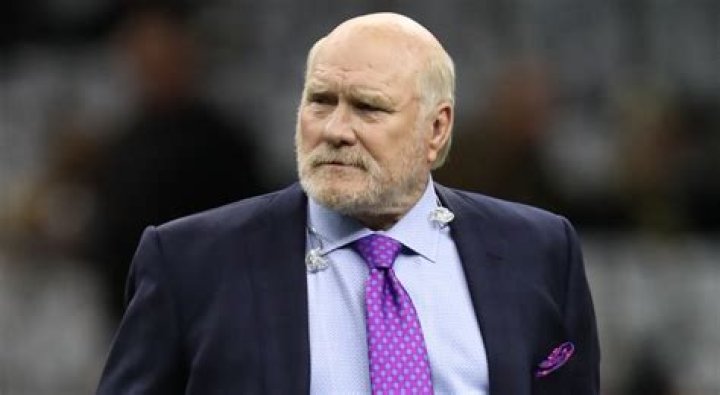
Frank Zappa was an American musician, composer, and bandleader who was known for his eclectic and experimental music. Lebanese is a term used to describe someone from Lebanon, a country in the Middle East.
Zappa was not Lebanese himself, but he was interested in Lebanese culture and music. He visited Lebanon several times and collaborated with Lebanese musicians.
Frank Zappa and Lebanon
Frank Zappa was an American musician, composer, and bandleader who was known for his eclectic and experimental music. While he was not Lebanese himself, he had a strong interest in Lebanese culture and music. He first visited Lebanon in 1967, and he returned several times over the years. During his visits, he collaborated with Lebanese musicians and learned about Lebanese music. Zappa's interest in Lebanese culture is reflected in his music, which often incorporates elements of Lebanese folk music.
- Musical Collaborations: Zappa collaborated with several Lebanese musicians over the years. He recorded an album with the Lebanese singer and oud player Ziad Rahbani in 1980, and he also worked with the Lebanese National Orchestra.
- Influence of Lebanese Music: Zappa's music was influenced by Lebanese folk music, which is characterized by its use of odd time signatures and complex rhythms. Zappa incorporated these elements into his own music, creating a unique and eclectic sound.
- Personal Connections: Zappa had many personal connections to Lebanon. He was friends with several Lebanese musicians, and he also had a Lebanese girlfriend. He often spoke fondly of his time in Lebanon, and he considered himself to be a "Lebanese honorary citizen."
- Cultural Exchange: Zappa's interest in Lebanese culture helped to promote cultural exchange between the United States and Lebanon. He introduced Lebanese music to a wider audience, and he also helped to raise awareness of Lebanese culture in the United States.
- Zappa's Legacy: Zappa's legacy continues to inspire musicians around the world. His interest in Lebanese music is a testament to his open-mindedness and his willingness to explore different cultures. He is remembered as a true pioneer of world music.
Musical Collaborations
Frank Zappa's musical collaborations with Lebanese musicians were a significant part of his career and helped to shape his unique sound. His work with Lebanese musicians began in the 1970s, when he met and befriended the Lebanese singer and oud player Ziad Rahbani. Rahbani introduced Zappa to Lebanese folk music, and the two musicians began collaborating on a number of projects. In 1980, Zappa and Rahbani recorded an album together, titled "Zappa in New York." The album featured a mix of Zappa's own compositions and traditional Lebanese folk songs. Zappa also worked with the Lebanese National Orchestra on several occasions. In 1977, he conducted the orchestra in a performance of his composition "The Perfect Stranger." Zappa's collaborations with Lebanese musicians helped to introduce Lebanese music to a wider audience, and they also helped to shape Zappa's own music. His work with Lebanese musicians is a testament to his open-mindedness and his willingness to explore different cultures.
- Cross-Cultural Exchange: Zappa's collaborations with Lebanese musicians were a prime example of cross-cultural exchange. He was able to learn about Lebanese music and culture from his Lebanese collaborators, and he was able to share his own music with them. This exchange of ideas and cultures helped to create a unique and innovative sound.
- Influence on Zappa's Music: Zappa's work with Lebanese musicians had a significant influence on his own music. He began to incorporate elements of Lebanese folk music into his own compositions, creating a unique and eclectic sound. This influence can be heard on albums such as "Zappa in New York" and "The Perfect Stranger."
- Promotion of Lebanese Music: Zappa's collaborations with Lebanese musicians helped to promote Lebanese music to a wider audience. He introduced Lebanese music to his own fans, and he also helped to create a greater awareness of Lebanese culture in the United States.
Zappa's musical collaborations with Lebanese musicians were a significant part of his career and helped to shape his unique sound. His work with Lebanese musicians is a testament to his open-mindedness and his willingness to explore different cultures.
Influence of Lebanese Music
Frank Zappa's music was influenced by a wide range of musical genres, including Lebanese folk music. Lebanese folk music is characterized by its use of odd time signatures and complex rhythms, which Zappa incorporated into his own music. This influence can be heard on many of Zappa's albums, including "Zappa in New York" and "The Perfect Stranger."
- Use of Odd Time Signatures: Lebanese folk music often uses odd time signatures, such as 5/8 and 7/8. Zappa was not afraid to use odd time signatures in his own music, and he often did so in a playful and experimental way.
- Complex Rhythms: Lebanese folk music also features complex rhythms, which can be difficult to play. Zappa was a master of rhythm, and he was able to incorporate complex rhythms into his own music in a way that was both challenging and exciting.
- Integration of Traditional Lebanese Instruments: In addition to using odd time signatures and complex rhythms, Zappa also incorporated traditional Lebanese instruments into his music. For example, he used the oud, a stringed instrument, on the album "Zappa in New York."
Zappa's interest in Lebanese folk music was part of his larger interest in world music. He was always willing to explore new musical genres, and he was not afraid to experiment with different sounds. This openness to new musical experiences helped Zappa to create a unique and eclectic body of work that continues to inspire musicians around the world.
Personal Connections
Frank Zappa's personal connections to Lebanon were an important part of his life and career. His friendships with Lebanese musicians, such as Ziad Rahbani, helped to shape his music and introduce him to Lebanese culture. His Lebanese girlfriend, Fawzia, was also a major influence on his life and music. Zappa often spoke fondly of his time in Lebanon, and he considered himself to be a "Lebanese honorary citizen."
Zappa's personal connections to Lebanon helped to shape his music in a number of ways. His experiences in Lebanon exposed him to new musical influences, such as Lebanese folk music, which he incorporated into his own music. His friendships with Lebanese musicians also helped him to develop his own unique sound. Zappa's personal connections to Lebanon also helped to raise awareness of Lebanese culture in the United States. He often spoke about his love for Lebanon and its people, and he helped to introduce Lebanese music to a wider audience.
Zappa's personal connections to Lebanon are an important part of his legacy. They helped to shape his music, his life, and his career. Zappa's love for Lebanon is a testament to the power of personal connections and the importance of cultural exchange.
Cultural Exchange
Frank Zappa's interest in Lebanese culture was a major factor in promoting cultural exchange between the United States and Lebanon. He introduced Lebanese music to a wider audience through his collaborations with Lebanese musicians and his own recordings. He also helped to raise awareness of Lebanese culture in the United States through his interviews and articles.
- Cross-Cultural Collaborations: Zappa's collaborations with Lebanese musicians, such as Ziad Rahbani and the Lebanese National Orchestra, helped to break down cultural barriers and promote understanding between the United States and Lebanon. These collaborations allowed musicians from both countries to share their musical traditions and learn from each other.
- Introduction of Lebanese Music to the United States: Zappa's recordings of Lebanese music helped to introduce this music to a wider audience in the United States. His album "Zappa in New York" featured a mix of Zappa's own compositions and traditional Lebanese folk songs. This album helped to expose American audiences to the unique sounds and rhythms of Lebanese music.
- Increased Awareness of Lebanese Culture: Zappa's interviews and articles about Lebanese culture helped to raise awareness of this culture in the United States. He spoke about his love for Lebanon and its people, and he encouraged others to learn more about this country. Zappa's advocacy helped to break down stereotypes and promote a more positive view of Lebanon in the United States.
Frank Zappa's interest in Lebanese culture was a major force in promoting cultural exchange between the United States and Lebanon. His collaborations with Lebanese musicians, his recordings of Lebanese music, and his advocacy for Lebanese culture helped to break down cultural barriers and promote understanding between the two countries.
Zappa's Legacy
Frank Zappa's legacy is closely connected to his interest in Lebanese music. His willingness to explore different cultures and incorporate them into his own music set him apart from other musicians of his time. Zappa's legacy continues to inspire musicians around the world to be open-minded and to explore different musical genres.
- Cross-Cultural Collaboration: Zappa's collaborations with Lebanese musicians, such as Ziad Rahbani and the Lebanese National Orchestra, helped to break down cultural barriers and promote understanding between the United States and Lebanon. These collaborations allowed musicians from both countries to share their musical traditions and learn from each other.
- Introduction of Lebanese Music to the United States: Zappa's recordings of Lebanese music helped to introduce this music to a wider audience in the United States. His album "Zappa in New York" featured a mix of Zappa's own compositions and traditional Lebanese folk songs. This album helped to expose American audiences to the unique sounds and rhythms of Lebanese music.
- Increased Awareness of Lebanese Culture: Zappa's interviews and articles about Lebanese culture helped to raise awareness of this culture in the United States. He spoke about his love for Lebanon and its people, and he encouraged others to learn more about this country. Zappa's advocacy helped to break down stereotypes and promote a more positive view of Lebanon in the United States.
- Inspiration for Musicians: Zappa's interest in Lebanese music has inspired other musicians to explore different cultures and incorporate them into their own music. For example, the American composer John Zorn has been influenced by Zappa's work with Lebanese musicians. Zorn's music often incorporates elements of Middle Eastern music, and he has collaborated with Lebanese musicians on a number of projects.
Frank Zappa's legacy is one of open-mindedness and musical exploration. His interest in Lebanese music is a testament to his willingness to embrace different cultures and to create music that is truly unique. Zappa's legacy continues to inspire musicians around the world to be open-minded and to explore different musical genres.
FAQs on Frank Zappa's Interest in Lebanese Music
Frank Zappa's interest in Lebanese music was a significant part of his career and helped to shape his unique sound. Here are some frequently asked questions about Zappa's interest in Lebanese music:
Question 1: What was Frank Zappa's first encounter with Lebanese music?
Zappa was first introduced to Lebanese music in the 1970s when he met and befriended the Lebanese singer and oud player Ziad Rahbani.
Question 2: How did Lebanese music influence Zappa's own music?
Lebanese music influenced Zappa's music in a number of ways, including the use of odd time signatures, complex rhythms, and traditional Lebanese instruments.
Question 3: What are some examples of Zappa's collaborations with Lebanese musicians?
Zappa collaborated with a number of Lebanese musicians over the years, including Ziad Rahbani and the Lebanese National Orchestra.
Question 4: Why was Zappa interested in Lebanese culture?
Zappa was interested in Lebanese culture for a number of reasons, including its rich musical traditions and its unique blend of East and West.
Question 5: What is Zappa's legacy in terms of Lebanese music?
Zappa's legacy in terms of Lebanese music is significant. He helped to introduce Lebanese music to a wider audience and to promote cultural exchange between the United States and Lebanon.
Question 6: How can musicians today be inspired by Zappa's interest in Lebanese music?
Musicians today can be inspired by Zappa's interest in Lebanese music by being open-minded to different cultures and by exploring different musical genres.
In conclusion, Frank Zappa's interest in Lebanese music was a major force in promoting cultural exchange and understanding between the United States and Lebanon. His legacy continues to inspire musicians around the world to be open-minded and to explore different musical genres.
Tips on Exploring Music Like Frank Zappa
Frank Zappa was known for his eclectic and experimental music, which often incorporated elements from different cultures, including Lebanese music. Here are some tips on how to explore music like Frank Zappa:
Tip 1: Be open-minded and willing to explore different genres. Zappa was not afraid to experiment with different musical genres, and his music often blended elements from rock, jazz, classical, and world music. Be open to listening to music from different cultures and genres, and don't be afraid to experiment with different combinations of sounds.Tip 2: Pay attention to rhythm and time signatures. Zappa was a master of rhythm and time signatures, and his music often featured complex and unusual rhythms. Pay attention to the rhythm and time signature of the music you listen to, and experiment with different ways to create your own rhythms.Tip 3: Use odd time signatures and complex rhythms. Zappa often used odd time signatures and complex rhythms in his music. Don't be afraid to experiment with odd time signatures and complex rhythms in your own music.Tip 4: Incorporate elements from different cultures. Zappa was not afraid to incorporate elements from different cultures into his music. Try incorporating elements from different cultures into your own music.Tip 5: Be experimental and don't be afraid to make mistakes. Zappa was always experimenting with new sounds and ideas. Don't be afraid to experiment with new sounds and ideas in your own music.By following these tips, you can start to explore music like Frank Zappa. Remember to be open-minded, experimental, and willing to learn from different cultures.
Conclusion
Frank Zappa's interest in Lebanese music was a major force in promoting cultural exchange and understanding between the United States and Lebanon. His music introduced Lebanese music to a wider audience, and his collaborations with Lebanese musicians helped to break down cultural barriers. Zappa's legacy continues to inspire musicians around the world to be open-minded and to explore different musical genres.
Zappa's interest in Lebanese music is a reminder that music has the power to transcend cultural boundaries and bring people together. By being open to different cultures and musical genres, we can all learn from each other and create a more inclusive and diverse musical landscape.
Uncover The Extraordinary World Of Sandra Schumer: Insights And Hidden Gems
Unveiling The Unseen: Yoji Harada's Demise And Its Lessons
Unveiling Language Proficiency In "Tokyo Vice": An Extraordinary Journey Of Cultural Immersion