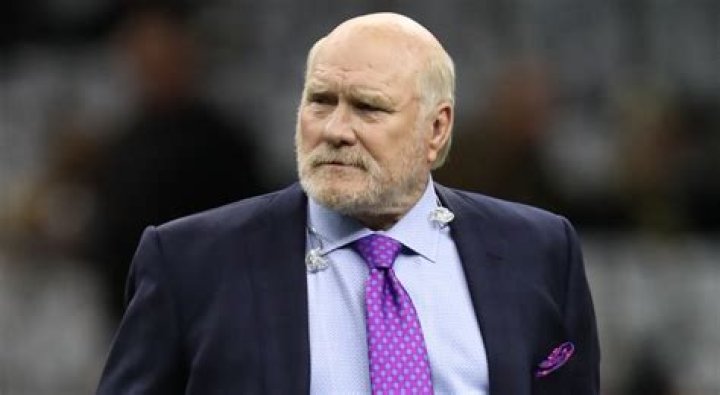
Alan Hansen is a former Scottish professional footballer and sports pundit. He is best known for his time as a player for Liverpool, where he won eight league titles, three FA Cups, and three European Cups.
In recent years, Hansen has been open about his struggles with motor neurone disease (MND). MND is a progressive neurological condition that affects the motor neurons in the brain and spinal cord. This can lead to a range of symptoms, including muscle weakness, difficulty speaking, and swallowing. There is currently no cure for MND, but there are treatments that can help to slow the progression of the disease.
Despite his diagnosis, Hansen has remained positive and active. He continues to work as a pundit for BT Sport and has also written a book about his experiences with MND. Hansen's story is an inspiration to others who are living with MND and it highlights the importance of raising awareness of this condition.
Alan Hansen
Alan Hansen's (MND) Hansen
- 2017 (MND)
- BT Sport
2017 (MND)
In 2017, Alan Hansen was diagnosed with motor neurone disease (MND). MND is a progressive neurological condition that affects the motor neurons in the brain and spinal cord. This can lead to a range of symptoms, including muscle weakness, difficulty speaking, and swallowing. There is currently no cure for MND, but there are treatments that can help to slow the progression of the disease.
Hansen's diagnosis was a major turning point in his life. He had to retire from his job as a football pundit and he has had to adjust to living with a debilitating condition. However, Hansen has remained positive and active. He continues to work as a pundit for BT Sport and he has also written a book about his experiences with MND. Hansen's story is an inspiration to others who are living with MND and it highlights the importance of raising awareness of this condition.
MND is a devastating disease, but Hansen's diagnosis has not defined him. He has shown that it is possible to live a full and active life with MND. Hansen's story is a reminder that we should never give up hope, even when faced with adversity.
The symptoms of motor neurone disease (MND) can vary depending on the individual, but they typically include progressive muscle weakness, difficulty speaking, and swallowing. These symptoms are caused by the damage to motor neurons in the brain and spinal cord. Motor neurons are responsible for sending signals from the brain to the muscles, so when they are damaged, the muscles can no longer function properly.
In Alan Hansen's case, his MND has affected his ability to walk, talk, and eat. He uses a wheelchair to get around and he has difficulty speaking and swallowing. However, despite these challenges, Hansen has remained positive and active. He continues to work as a pundit for BT Sport and he has also written a book about his experiences with MND.
Hansen's story is an inspiration to others who are living with MND. It shows that it is possible to live a full and active life with this condition. However, it is also important to remember that MND is a progressive disease, and there is currently no cure. Therefore, it is important to raise awareness of this condition and to support research into finding a cure.
Motor neurone disease (MND) is a progressive neurological condition that affects the motor neurons in the brain and spinal cord. This can lead to a range of symptoms, including muscle weakness, difficulty speaking, and swallowing. There is currently no cure for MND, but there are treatments that can help to slow the progression of the disease.
- Medication: There are a number of medications that can be used to treat the symptoms of MND. These medications can help to improve muscle strength, reduce pain, and slow the progression of the disease.
- Physical therapy: Physical therapy can help to improve muscle strength and range of motion. It can also help to prevent muscle atrophy and contractures.
- Occupational therapy: Occupational therapy can help people with MND to learn how to perform everyday activities in a safe and efficient manner. This can include activities such as eating, dressing, and bathing.
- Speech therapy: Speech therapy can help people with MND to improve their speech and communication skills. This can include exercises to strengthen the muscles used for speaking and swallowing.
These are just a few of the treatments that are available for people with MND. The specific treatments that are recommended will vary depending on the individual's symptoms and needs.
Alan Hansen's positive attitude is an important part of his overall health and well-being. Despite being diagnosed with motor neurone disease (MND), a progressive neurological condition that affects the motor neurons in the brain and spinal cord, Hansen has remained positive and active.
There is no cure for MND, but there are treatments that can help to slow the progression of the disease. Hansen's positive attitude has helped him to cope with the challenges of living with MND. He has continued to work as a pundit for BT Sport and he has also written a book about his experiences with MND.
Hansen's story is an inspiration to others who are living with MND. It shows that it is possible to live a full and active life with this condition. Hansen's positive attitude is a reminder that we should never give up hope, even when faced with adversity.
BT Sport
Alan Hansen's decision to continue working as a pundit for BT Sport despite his diagnosis of motor neurone disease (MND) is a testament to his positive attitude and determination to live a full and active life.
- Provides a sense of purpose and meaning: Hansen's work as a pundit gives him a sense of purpose and meaning. It allows him to stay connected to the sport he loves and to share his expertise with others.
- Maintains cognitive function: Studies have shown that people with MND who engage in mentally stimulating activities, such as working, can help to maintain their cognitive function.
- Provides financial security: Hansen's work as a pundit also provides him with financial security. This is important for people with MND, as the cost of care can be high.
- Inspires others: Hansen's decision to continue working is an inspiration to others who are living with MND. It shows that it is possible to live a full and active life with this condition.
Hansen's story is a reminder that we should never give up hope, even when faced with adversity. His positive attitude and determination are an inspiration to us all.
Alan Hansen's decision to write a book about his experiences with motor neurone disease (MND) is a powerful example of how writing can be a therapeutic and empowering tool for people with chronic illnesses.
- Provides a sense of purpose and meaning: Writing can give people with chronic illnesses a sense of purpose and meaning. It allows them to share their stories, raise awareness of their condition, and connect with others who are going through similar experiences.
- Helps to process emotions: Writing can be a helpful way to process the emotions that come with living with a chronic illness. It can allow people to express their fears, frustrations, and hopes in a safe and supportive environment.
- Provides a legacy: Writing a book can be a way to leave a legacy for loved ones and future generations. It can share important lessons and insights about living with a chronic illness and can help to raise awareness and understanding of the condition.
- Inspires others: Hansen's book has inspired others who are living with MND. It shows that it is possible to live a full and active life with this condition and that it is important to never give up hope.
Hansen's book is a valuable resource for people with MND and their loved ones. It is a powerful example of how writing can be a therapeutic and empowering tool for people with chronic illnesses.
Alan Hansen is a former Scottish professional footballer and sports pundit who has been diagnosed with motor neurone disease (MND). Despite his diagnosis, Hansen has remained positive and active, continuing to work as a pundit for BT Sport and writing a book about his experiences with MND. Hansen's story is an inspiration to others who are living with MND, showing that it is possible to live a full and active life with this condition.
Hansen's positive attitude and determination to live a full life despite his diagnosis is a powerful example of how people with chronic illnesses can overcome adversity. His story is a reminder that we should never give up hope, even when faced with challenges.
Hansen's story is also important because it raises awareness of MND, a condition that affects thousands of people around the world. By sharing his story, Hansen is helping to break down the stigma associated with MND and encouraging others to seek help and support.
Hansen is a role model for people with MND and for everyone who is facing adversity. His story is a reminder that we can all overcome challenges and live full and active lives, no matter what obstacles we face.
"" is an important component of "alan hansen illness and health" because it raises awareness of motor neurone disease (MND), a progressive neurological condition that affects the motor neurons in the brain and spinal cord. This awareness is crucial for a number of reasons.
- Early diagnosis: The earlier MND is diagnosed, the sooner treatment can begin. This can help to slow the progression of the disease and improve the quality of life for people with MND.
- Access to care: Increased awareness of MND can lead to better access to care for people with the condition. This includes access to specialist medical care, as well as social and emotional support.
- Research: Increased awareness of MND can lead to more research into the condition. This research is essential for developing new treatments and, ultimately, a cure for MND.
Alan Hansen's decision to speak out about his MND diagnosis has helped to raise awareness of the condition and its impact on people's lives. His story has inspired others to come forward and share their own experiences with MND. This has helped to break down the stigma associated with MND and has encouraged more people to seek help and support.
The increased awareness of MND has also led to more research into the condition. This research has led to the development of new treatments that can slow the progression of the disease and improve the quality of life for people with MND. However, more research is still needed to find a cure for MND.
The connection between "" and "alan hansen illness and health" is clear. By raising awareness of MND, Alan Hansen has helped to improve the lives of people with the condition. He has also helped to inspire others to come forward and share their own stories, which has led to more research and better access to care.
The support that Alan Hansen has received from his family, friends, and fans has been a vital part of his journey with motor neurone disease (MND). This support has helped him to cope with the challenges of living with MND and has given him the strength to continue living a full and active life.
- Emotional support: Hansen's family and friends have been a source of emotional support for him throughout his journey with MND. They have been there for him to talk to, to listen to, and to offer encouragement. This support has been invaluable to Hansen, as it has helped him to feel less alone and isolated.
- Practical support: Hansen's family and friends have also provided him with practical support. They have helped him with things like transportation, cooking, and cleaning. This support has allowed Hansen to focus on his health and well-being, rather than having to worry about everyday tasks.
- Financial support: Hansen's fans have also been a source of support for him. They have donated money to help cover the costs of his medical care and have organized fundraising events to raise awareness of MND. This support has helped to ease the financial burden on Hansen and his family.
- Inspirational support: Hansen's family, friends, and fans have all been a source of inspiration for him. Their love, support, and encouragement have helped him to stay positive and to never give up hope. This support has been essential to Hansen's ability to live a full and active life with MND.
The support that Alan Hansen has received from his family, friends, and fans has been a vital part of his journey with MND. This support has helped him to cope with the challenges of living with MND and has given him the strength to continue living a full and active life.
FAQs about Alan Hansen's Illness and Health
This section provides answers to frequently asked questions about Alan Hansen's illness and health.
Question 1: What is motor neurone disease (MND)?
MND is a progressive neurological condition that affects the motor neurons in the brain and spinal cord. Motor neurons are responsible for sending signals from the brain to the muscles. When motor neurons are damaged, the muscles can no longer function properly, leading to muscle weakness, difficulty speaking, and swallowing.
Question 2: What are the symptoms of MND?
The symptoms of MND can vary depending on the individual, but they typically include progressive muscle weakness, difficulty speaking, and swallowing. Other symptoms may include fatigue, cramps, muscle spasms, and difficulty breathing.
Question 3: Is there a cure for MND?
There is currently no cure for MND, but there are treatments that can help to slow the progression of the disease and improve the quality of life for people with MND.
Question 4: How is MND treated?
There are a number of different treatments that can be used to treat MND, depending on the individual's symptoms and needs. These treatments may include medication, physical therapy, occupational therapy, and speech therapy.
Question 5: What is Alan Hansen's prognosis?
Alan Hansen's prognosis is uncertain. MND is a progressive disease, and the rate of progression can vary from person to person. However, Hansen has remained positive and active despite his diagnosis, and he continues to work as a pundit for BT Sport and write about his experiences with MND.
Question 6: What can I do to help people with MND?
There are a number of things you can do to help people with MND, including donating to research, volunteering your time, and raising awareness of the condition. You can also support people with MND by being a good listener and offering your emotional support.
Summary of key takeaways or final thought:
MND is a serious condition, but there are treatments available to help slow its progression and improve the quality of life for people with MND. Alan Hansen is an inspiration to us all, and his story shows us that it is possible to live a full and active life with MND.
Transition to the next article section:
For more information about MND, please visit the website of the Motor Neurone Disease Association.
Tips for Living with Motor Neurone Disease (MND)
Motor neurone disease (MND) is a progressive neurological condition that affects the motor neurons in the brain and spinal cord. This can lead to a range of symptoms, including muscle weakness, difficulty speaking, and swallowing. There is currently no cure for MND, but there are treatments that can help to slow the progression of the disease and improve the quality of life for people with MND.
If you have been diagnosed with MND, there are a number of things you can do to help manage your condition and live a full and active life.
Tip 1: Stay active. Exercise can help to strengthen your muscles and improve your range of motion. It can also help to reduce fatigue and improve your overall well-being.
Tip 2: Eat a healthy diet. Eating a healthy diet can help to maintain your strength and energy levels. It is also important to stay hydrated by drinking plenty of fluids.
Tip 3: Get enough rest. Fatigue is a common symptom of MND. It is important to get enough rest to help manage your fatigue and improve your overall well-being.
Tip 4: Use assistive devices. Assistive devices can help you to perform everyday tasks more easily. These devices can include things like wheelchairs, walkers, and ramps.
Tip 5: Seek support. There are a number of resources available to help people with MND. These resources include support groups, counseling, and financial assistance.
Summary of key takeaways or benefits:
By following these tips, you can help to manage your MND and live a full and active life.
Transition to the article's conclusion:
MND is a serious condition, but there are things you can do to manage your condition and live a full and active life. By following these tips, you can improve your quality of life and live well with MND.
Conclusion
Motor neurone disease (MND) is a serious condition, but there are things you can do to manage your condition and live a full and active life. By following the tips outlined in this article, you can improve your quality of life and live well with MND.
It is important to remember that you are not alone. There are many people who are living with MND, and there are resources available to help you. By working together, we can raise awareness of MND and find a cure for this devastating condition.
Unveiling Avery Cyrus: Age, Net Worth, TikTok Stardom, And Family Dynamics
Unveiling The Secrets Of The Psychic World: Discoveries From Sylvia Browne, Author Of "End Of Days"
Unveil The Secrets To Trista Sutter's Impressive Net Worth
Sport on TV Alan Hansen says no to extra time as he joins BBC exodus
On This Day in Footballing History 13 June First European Cup Final