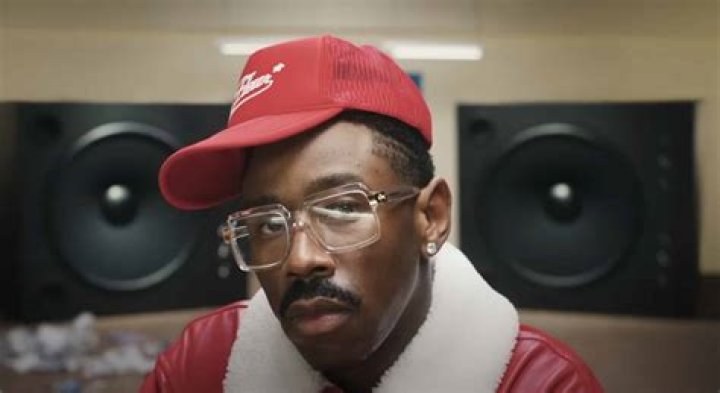
The comedians of the 1970s were a diverse and influential group of performers who helped to shape the landscape of American comedy. They were known for their sharp wit, observational humor, and willingness to push the boundaries of what was considered acceptable to say on stage.
Some of the most famous comedians of the 1970s include:
- Richard Pryor
- George Carlin
- Steve Martin
- Bill Cosby
- Joan Rivers
The comedians of the 1970s left a lasting legacy on American comedy. They helped to pave the way for the comedians of today, and their work continues to be enjoyed by audiences around the world.
Comedians of the 1970s
The comedians of the 1970s were a diverse and influential group who helped to shape the landscape of American comedy. They were known for their sharp wit, observational humor, and willingness to push the boundaries of what was considered acceptable to say on stage. Here are 10 key aspects of their work:
- Observational: They drew heavily on their own experiences and observations of everyday life.
- Provocative: They were not afraid to tackle controversial topics, such as race, sex, and religion.
- Groundbreaking: They helped to break down barriers and make it more acceptable to talk about taboo subjects.
- Influential: They had a major impact on the comedians who came after them.
- Cultural impact: Their work reflected the social and political issues of the time.
- Variety: They came from a wide range of backgrounds and had different comedic styles.
- Witty: They were known for their quick wit and clever wordplay.
- Honest: They were not afraid to share their own personal experiences and vulnerabilities.
- Relatable: They were able to connect with audiences on a personal level.
- Legacy: Their work continues to be enjoyed by audiences around the world.
The comedians of the 1970s left a lasting legacy on American comedy. They helped to pave the way for the comedians of today, and their work continues to be relevant and insightful. They were true pioneers who helped to change the face of comedy.
Observational
The comedians of the 1970s were known for their observational humor, which drew heavily on their own experiences and observations of everyday life. This was a major departure from the comedians of the past, who often relied on slapstick or vaudeville routines.
Observational humor allowed the comedians of the 1970s to connect with audiences on a more personal level. They could talk about the things that people were actually experiencing in their own lives, which made their jokes more relatable and funny.
One of the best examples of observational humor from the 1970s is Richard Pryor's routine on "The ????" In this routine, Pryor talks about the everyday annoyances of life, such as having to deal with rude people or being stuck in traffic. Pryor's jokes are funny because they are so true to life. He is able to take the mundane and make it hilarious.
Observational humor is still a major part of comedy today. Many of the most popular comedians, such as Jerry Seinfeld and Dave Chappelle, use observational humor to great effect. Observational humor is effective because it allows comedians to connect with audiences on a personal level and make them laugh at the absurdity of everyday life.
Provocative
The comedians of the 1970s were not afraid to tackle controversial topics, such as race, sex, and religion. This was a major departure from the comedians of the past, who often avoided these topics altogether. The comedians of the 1970s believed that comedy could be used to challenge the status quo and to make people think about important issues.
- Racial Inequality: Comedians such as Richard Pryor and George Carlin used their platforms to speak out against racial inequality. They challenged racist stereotypes and spoke about the everyday experiences of Black people in America.
- Sexism: Comedians such as Joan Rivers and Phyllis Diller broke down barriers for women in comedy. They challenged sexist stereotypes and talked about the everyday experiences of women in a male-dominated world.
- Religion: Comedians such as George Carlin and Bill Hicks tackled the topic of religion head-on. They challenged religious dogma and spoke about the importance of free thought.
The comedians of the 1970s were not always popular, but they were important. They used their comedy to challenge the status quo and to make people think about important issues. They helped to pave the way for the comedians of today, who continue to use comedy to challenge injustice and to make people laugh.
Groundbreaking
The comedians of the 1970s were groundbreaking in their willingness to tackle taboo subjects. They challenged societal norms and pushed the boundaries of what was considered acceptable to say on stage. This helped to break down barriers and make it more acceptable to talk about important issues, such as race, sex, and religion.
- Challenging Racism: Comedians such as Richard Pryor and George Carlin used their platforms to speak out against racial inequality. They challenged racist stereotypes and spoke about the everyday experiences of Black people in America. This helped to raise awareness of the issue of racism and to make it more acceptable to talk about it.
- Breaking Down Sexism: Comedians such as Joan Rivers and Phyllis Diller broke down barriers for women in comedy. They challenged sexist stereotypes and talked about the everyday experiences of women in a male-dominated world. This helped to pave the way for more women to enter the field of comedy and to speak out about their own experiences.
- Tackling Religion: Comedians such as George Carlin and Bill Hicks tackled the topic of religion head-on. They challenged religious dogma and spoke about the importance of free thought. This helped to make it more acceptable to question religious beliefs and to have open discussions about religion.
- Expanding the Boundaries of Comedy: The comedians of the 1970s also helped to expand the boundaries of comedy itself. They experimented with new forms of comedy, such as stand-up comedy and sketch comedy. They also used comedy to explore personal and political issues in a way that had not been done before.
The comedians of the 1970s were pioneers who helped to change the face of comedy. They broke down barriers, challenged societal norms, and made it more acceptable to talk about important issues. Their work continues to influence comedians today.
Influential
The comedians of the 1970s had a major impact on the comedians who came after them. They paved the way for a new generation of comedians to be more open and honest in their work. They also helped to break down barriers and make it more acceptable to talk about important issues, such as race, sex, and religion.
- Pioneering New Forms of Comedy: The comedians of the 1970s experimented with new forms of comedy, such as stand-up comedy and sketch comedy. This helped to expand the boundaries of comedy and make it more accessible to a wider audience.
- Challenging Societal Norms: The comedians of the 1970s were not afraid to challenge societal norms and to speak out against injustice. This helped to raise awareness of important issues and to make it more acceptable to talk about them.
- Mentoring the Next Generation: Many of the comedians of the 1970s mentored the next generation of comedians. They helped to shape the careers of comedians such as Jerry Seinfeld, Chris Rock, and Dave Chappelle.
- Legacy: The comedians of the 1970s left a lasting legacy on American comedy. Their work continues to influence comedians today and to make people laugh.
The comedians of the 1970s were true pioneers who helped to change the face of comedy. They inspired a new generation of comedians to be more open, honest, and challenging in their work. Their legacy continues to this day.
Cultural impact
The comedians of the 1970s were not afraid to tackle the social and political issues of their time. They used their comedy to challenge the status quo, to make people think, and to bring about change.
- Vietnam War: The Vietnam War was a major source of social and political unrest in the 1970s. Comedians such as George Carlin and Jane Wagner used their comedy to satirize the war and to criticize the government's handling of it.
- Civil Rights Movement: The Civil Rights Movement was another major social and political issue of the 1970s. Comedians such as Richard Pryor and Bill Cosby used their comedy to challenge racism and to promote equality.
- Women's Liberation Movement: The Women's Liberation Movement was a major force for social change in the 1970s. Comedians such as Joan Rivers and Phyllis Diller used their comedy to challenge sexism and to promote women's rights.
- Environmentalism: Environmentalism became a major concern in the 1970s. Comedians such as George Carlin and Steve Martin used their comedy to raise awareness of environmental issues and to challenge the government's inaction on these issues.
The comedians of the 1970s used their comedy to reflect the social and political issues of their time. They challenged the status quo, made people think, and brought about change. Their work continues to inspire comedians today.
Variety
The comedians of the 1970s came from a wide range of backgrounds and had different comedic styles. This variety helped to create a rich and diverse comedic landscape that appealed to a wide range of audiences.
- Backgrounds: The comedians of the 1970s came from all walks of life. They were men and women, black and white, gay and straight. They came from different socioeconomic backgrounds and had different life experiences. This diversity of backgrounds gave the comedians of the 1970s a unique perspective on the world, which they were able to express through their comedy.
- Comedic Styles: The comedians of the 1970s also had a wide range of comedic styles. Some comedians, such as Richard Pryor, used observational humor to talk about their own personal experiences. Others, such as George Carlin, used satire to criticize social and political issues. Still others, such as Steve Martin, used physical comedy and slapstick to make people laugh. This variety of comedic styles ensured that there was something for everyone in the 1970s comedy scene.
The variety of backgrounds and comedic styles among the comedians of the 1970s helped to create a rich and diverse comedic landscape that appealed to a wide range of audiences. This variety is one of the reasons why the comedians of the 1970s continue to be so popular today.
Witty
The comedians of the 1970s were known for their sharp wit and clever wordplay. They were able to make people laugh with their quick wit and their ability to turn a phrase.
- Observational Humor: The comedians of the 1970s were masters of observational humor. They were able to find the funny in everyday life and to make people laugh at the absurdity of it all.
- Satire: The comedians of the 1970s also used satire to criticize social and political issues. They were not afraid to speak their minds and to challenge the status quo.
- One-Liners: The comedians of the 1970s were also known for their one-liners. These were short, clever jokes that could get a big laugh.
- Improvisation: The comedians of the 1970s were also skilled improvisers. They were able to think on their feet and to come up with funny material on the spot.
The wit of the comedians of the 1970s is still enjoyed today. Their jokes are still quoted and their routines are still studied by aspiring comedians. They were true masters of their craft and they helped to shape the landscape of American comedy.
Honest
The comedians of the 1970s were known for their honesty and willingness to share their own personal experiences and vulnerabilities. This was a major departure from the comedians of the past, who often relied on jokes that were more impersonal and observational.
The comedians of the 1970s believed that comedy could be used to connect with audiences on a deeper level. They were not afraid to talk about their own struggles, fears, and insecurities. This honesty made their comedy more relatable and authentic.
One of the best examples of this honesty is Richard Pryor. Pryor was a groundbreaking comedian who used his comedy to talk about his own experiences with racism, addiction, and mental illness. His comedy was often raw and painful, but it was also incredibly funny and insightful.
The comedians of the 1970s helped to pave the way for a new generation of comedians who were more honest and open in their work. Today, many of the most popular comedians, such as Dave Chappelle and Amy Schumer, use their comedy to talk about their own personal experiences and vulnerabilities.
The honesty of the comedians of the 1970s was a major factor in their success. Their willingness to share their own personal experiences and vulnerabilities helped them to connect with audiences on a deeper level and to make their comedy more relatable and authentic.
Relatable
The comedians of the 1970s were able to connect with audiences on a personal level because they were willing to share their own personal experiences and vulnerabilities. This honesty made their comedy more relatable and authentic, and it helped them to build a strong rapport with their audiences.
One of the best examples of this relatability is Richard Pryor. Pryor was a groundbreaking comedian who used his comedy to talk about his own experiences with racism, addiction, and mental illness. His comedy was often raw and painful, but it was also incredibly funny and insightful. Pryor's willingness to share his own personal struggles helped him to connect with audiences on a deep level and to make his comedy more meaningful.
The relatability of the comedians of the 1970s was a major factor in their success. Their ability to connect with audiences on a personal level helped them to build a loyal following and to make a lasting impact on the world of comedy.
The relatability of comedians is still an important factor in their success today. Audiences are drawn to comedians who they can relate to on a personal level. Comedians who are able to share their own personal experiences and vulnerabilities are more likely to connect with audiences and to make them laugh.
Legacy
The comedians of the 1970s left a lasting legacy on the world of comedy. Their work continues to be enjoyed by audiences around the world, and they continue to influence new generations of comedians.
There are several reasons why the work of the comedians of the 1970s has endured. First, they were incredibly talented and innovative comedians. They pushed the boundaries of comedy and were not afraid to tackle controversial topics. Second, they were able to connect with audiences on a personal level. They shared their own personal experiences and vulnerabilities, which made their comedy more relatable and authentic. Third, they were able to create memorable and quotable routines. Their jokes are still quoted today, and their routines are still studied by aspiring comedians.
The legacy of the comedians of the 1970s is still felt today. Their work continues to inspire and entertain audiences around the world. They are considered to be some of the greatest comedians of all time, and their work will continue to be enjoyed for generations to come.
FAQs on Comedians of the 1970s
This section addresses frequently asked questions about comedians of the 1970s, providing concise and informative answers.
Question 1: Who were some of the most famous comedians of the 1970s?
Answer: Some of the most famous comedians of the 1970s include Richard Pryor, George Carlin, Steve Martin, Bill Cosby, and Joan Rivers.
Question 2: What were some of the key characteristics of the comedy of the 1970s?
Answer: The comedy of the 1970s was known for its sharp wit, observational humor, willingness to tackle controversial topics, and relatability.
Question 3: How did the comedians of the 1970s influence comedy?
Answer: The comedians of the 1970s had a major impact on comedy, helping to break down barriers, challenge societal norms, and make it more acceptable to talk about important issues.
Question 4: What are some of the reasons why the work of the comedians of the 1970s is still relevant today?
Answer: The work of the comedians of the 1970s is still relevant today because it is funny, insightful, and relatable. Their jokes are still quoted, and their routines are still studied by aspiring comedians.
Question 5: Who are some of the comedians today who have been influenced by the comedians of the 1970s?
Answer: Some of the comedians today who have been influenced by the comedians of the 1970s include Dave Chappelle, Amy Schumer, and John Mulaney.
Question 6: Where can I learn more about the comedians of the 1970s?
Answer: There are many resources available to learn more about the comedians of the 1970s, including books, articles, and documentaries. You can also watch their stand-up routines on streaming services or DVD.
In summary, the comedians of the 1970s were a talented and influential group of performers who helped to shape the landscape of American comedy. Their work is still enjoyed by audiences around the world today.
Transition to the Next Article Section: The legacy of the comedians of the 1970s continues to inspire and influence comedians today. Their work is a reminder that comedy can be used to entertain, challenge, and make people think.
Tips from Comedians of the 1970s
The comedians of the 1970s were known for their sharp wit, observational humor, and ability to connect with audiences on a personal level. They were also masters of their craft, and they had a lot to teach about the art of comedy.
Here are five tips from comedians of the 1970s:
1. Be yourself. The best comedians are the ones who are true to themselves. Don't try to be someone you're not, because audiences will be able to tell. Just be yourself and let your personality shine through.
2. Find your voice. Every comedian has a unique voice. It's what makes them different from all the other comedians out there. Find your voice and use it to your advantage.
3. Be observational. The best comedians are able to find the funny in everyday life. Pay attention to the world around you and you'll find plenty of material to work with.
4. Practice, practice, practice. The more you practice, the better you'll become at comedy. There's no substitute for hard work.
5. Don't be afraid to fail. Everyone fails at some point, even the best comedians. The important thing is to learn from your mistakes and keep moving forward.
These are just a few tips from comedians of the 1970s. If you want to learn more about comedy, there are many resources available to you. You can read books, watch DVDs, or take classes. The most important thing is to keep learning and keep practicing.
With hard work and dedication, you can achieve your dream of becoming a successful comedian.
Conclusion
The comedians of the 1970s were a groundbreaking group of performers who helped to shape the landscape of American comedy. They were known for their sharp wit, observational humor, and willingness to tackle controversial topics. They were also masters of their craft, and they had a lot to teach about the art of comedy.
Today, the legacy of the comedians of the 1970s continues to inspire and influence comedians. Their work is a reminder that comedy can be used to entertain, challenge, and make people think. It is also a reminder that the best comedians are the ones who are true to themselves and who are not afraid to push the boundaries.
Unveiling The Extraordinary Journey Of Noah James Daughtry: Discoveries And Insights
Uncover Drake's Profound Wisdom: Quotes That Ignite Life's Journey
Unlock The Power Of Short Karen Bible Verses: Discoveries And Insights
/3454541-56a1968d3df78cf7726c3fd1.jpg)