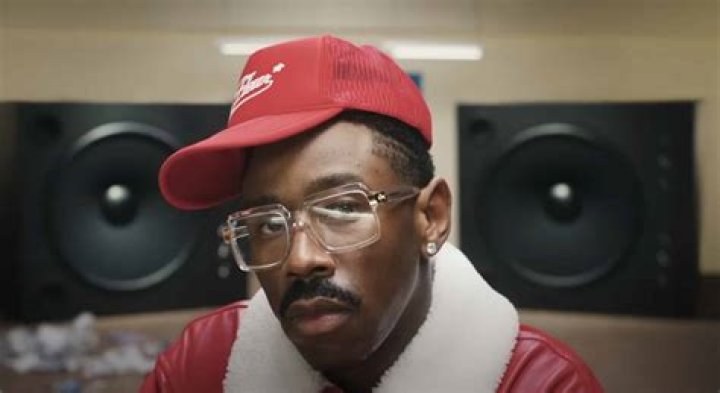
The term "mullet fade" refers to a specific type of hairstyle that combines a mullet, characterized by short hair on the sides and longer hair at the back, with a fade, which involves gradually blending the hair shorter towards the neckline. By combining these two elements, the "best mullet fades" create a distinctive and stylish look.
Mullet fades have gained popularity due to their versatility and adaptability to different face shapes and hair textures. They offer a modern and edgy take on the classic mullet, adding a touch of sophistication and refinement. Additionally, the fade element allows for a seamless transition from shorter to longer hair, creating a flattering and balanced silhouette.
In this article, we will delve deeper into the world of mullet fades, exploring their variations, styling tips, and the history behind this unique hairstyle. Our aim is to provide a comprehensive understanding and appreciation of the "best mullet fades" and their enduring appeal.
Best Mullet Fades
When it comes to "best mullet fades," several key aspects come into play, each contributing to the overall appeal and impact of this hairstyle:
- Length: The length of the mullet, both in the front and back, can vary, affecting the overall shape and style.
- Fade: The type of fade used, such as a high fade, mid fade, or low fade, determines the transition from longer to shorter hair.
- Volume: The amount of volume in the hair can influence the overall look, with more volume creating a fuller and more dramatic effect.
- Texture: The texture of the hair, whether straight, wavy, or curly, can impact the final appearance of the mullet fade.
- Styling: The way the mullet fade is styled, using products and techniques, can enhance its features and create different looks.
- Face Shape: The shape of the face can influence the choice of mullet fade that best complements and balances the features.
- Hair Type: Different hair types, such as thick, thin, or fine, may require specific variations in the mullet fade to achieve the desired outcome.
- Occasion: The occasion or context in which the mullet fade is worn can influence the styling and overall presentation.
These aspects are interconnected and work together to create the unique and distinctive look of "best mullet fades." Understanding and considering these elements allows individuals to tailor their mullet fade to their personal style and preferences, achieving a hairstyle that complements their features and enhances their overall appearance.
Length
In the realm of "best mullet fades," the length of the mullet plays a pivotal role in shaping its overall appearance and style. The length can vary significantly, from short and cropped to long and flowing, each creating a distinct visual impact.
A shorter mullet, with both the front and back cut relatively short, exudes a more modern and edgy vibe. It maintains the essence of the mullet while adding a touch of sophistication. This length is often paired with a high fade, creating a sharp and clean-cut look.
On the other hand, a longer mullet, with the hair in the back left to grow out, retains the classic and iconic silhouette of the hairstyle. This length allows for more styling versatility, enabling individuals to experiment with different textures and volumes. A mid or low fade is often incorporated to create a seamless transition from the longer hair at the back to the shorter sides.
Ultimately, the choice of length depends on personal preference and face shape. A skilled barber can assess an individual's features and hair type to determine the optimal length for a "best mullet fade" that complements their unique style.
Fade
In the realm of "best mullet fades," the type of fade employed plays a crucial role in shaping the overall look and feel of the hairstyle. A fade refers to a gradual blending of the hair from longer to shorter, creating a seamless transition from the longer hair at the back of the mullet to the shorter hair on the sides.
- High Fade: A high fade starts high on the head, near the crown, and gradually transitions to shorter hair towards the neckline. This type of fade creates a dramatic and edgy look, showcasing the longer hair at the back of the mullet.
- Mid Fade: A mid fade starts at the middle of the head and blends into shorter hair towards the neckline. It offers a balance between the high fade and low fade, providing a versatile and stylish option.
- Low Fade: A low fade starts low on the head, just above the neckline, and gradually transitions to shorter hair. This type of fade creates a subtle and understated look, allowing the mullet's length to take center stage.
The choice of fade ultimately depends on personal preference and face shape. A skilled barber can assess an individual's features and hair type to determine the optimal fade for a "best mullet fade" that complements their unique style.
Volume
When it comes to "best mullet fades," volume plays a pivotal role in shaping the overall appearance and impact of the hairstyle. Volume refers to the amount of space that the hair occupies, and it can be manipulated through various styling techniques and products.
- Facet 1: Creating a Fuller Look
Adding volume to a mullet fade can create a fuller and more dramatic look, emphasizing the contrast between the longer hair at the back and the shorter hair on the sides. This can be achieved through blow-drying techniques, volumizing products, or even hair extensions. - Facet 2: Balancing Proportions
Volume can also be used to balance the proportions of the mullet fade. For instance, individuals with a narrow face shape may benefit from adding volume to the sides of the mullet to create a wider and more balanced appearance. - Facet 3: Enhancing Texture
Volume can enhance the texture of the hair, making it appear thicker and healthier. This is especially beneficial for individuals with fine or thin hair, as it can give the illusion of greater density. - Facet 4: Styling Versatility
Volume provides greater styling versatility, allowing individuals to experiment with different looks. For example, a mullet fade with added volume can be styled into a pompadour, a quiff, or even a slicked-back style.
In summary, volume is an essential element of "best mullet fades," as it influences the overall appearance, balance, texture, and styling versatility of the hairstyle. Understanding how to manipulate and control volume allows individuals to tailor their mullet fade to their unique style and preferences.
Texture
In the realm of "best mullet fades," the texture of the hair plays a crucial role in shaping the overall look and feel of the hairstyle. Texture refers to the natural characteristics of the hair, such as its thickness, coarseness, and curl pattern. Understanding how different hair textures interact with mullet fades allows individuals to make informed decisions about their hairstyle and achieve their desired outcome.
- Facet 1: Straight Hair
Straight hair tends to create a sleek and polished look when styled into a mullet fade. The smooth texture allows the hair to fall naturally, accentuating the sharp lines and angles of the fade. Straight hair is also more receptive to styling products, making it easier to achieve a variety of looks, from slicked-back to textured.
- Facet 2: Wavy Hair
Wavy hair adds a touch of volume and movement to a mullet fade. The natural waves create a textured and dynamic look, adding visual interest to the hairstyle. Wavy hair can be styled to enhance the waves or brushed out to create a more relaxed and effortless appearance.
- Facet 3: Curly Hair
Curly hair can create a bold and voluminous mullet fade. The tight curls add a unique texture and shape to the hairstyle, making it stand out from the crowd. Curly hair requires specific styling techniques and products to maintain its shape and definition.
By understanding the connection between hair texture and mullet fades, individuals can choose a hairstyle that complements their natural hair type and desired style. A skilled barber can assess an individual's hair texture and provide guidance on the most suitable mullet fade to achieve their vision.
Styling
In the realm of "best mullet fades," styling plays a pivotal role in maximizing the hairstyle's potential and achieving a wide range of looks. Through the skillful use of products and techniques, individuals can accentuate the mullet fade's unique features and adapt it to suit their personal style.
- Facet 1: Enhancing Texture and Volume
Styling products and techniques can be employed to enhance the texture and volume of the mullet fade. Pomades, waxes, and volumizing sprays can add definition to the hair, creating a textured and dynamic look. Blow-drying techniques can also be used to boost volume, particularly in the crown area, providing a more balanced and visually appealing silhouette.
- Facet 2: Creating Contrasts and Definition
Styling can create contrasts and definition within the mullet fade. By using different products on the sides and back of the mullet, individuals can highlight the transition between the shorter and longer sections. This technique accentuates the mullet's shape and adds depth to the overall look.
- Facet 3: Shaping and Controlling the Mullet
Styling allows individuals to shape and control the mullet fade to suit their facial features and personal preferences. Using a round brush and blow dryer, the hair can be directed and molded into different shapes, creating a customized look that complements the individual's unique style.
- Facet 4: Adapting to Different Occasions
The styling of a mullet fade can be adapted to suit different occasions. For a more formal event, a sleek and polished look can be achieved using styling products that provide hold and shine. Alternatively, for a casual or edgy occasion, the mullet fade can be styled with a more textured and messy finish, using products that add volume and definition.
By understanding the connection between styling and "best mullet fades," individuals can unlock the full potential of this versatile hairstyle. With the right products and techniques, they can enhance its features, create different looks, and tailor it to their unique style and preferences.
Face Shape
When it comes to "best mullet fades," understanding the shape of one's face is crucial for selecting a style that harmoniously complements and balances the features. Different face shapes have distinct characteristics, and choosing a mullet fade that aligns with these characteristics can enhance the overall aesthetic appeal.
- Facet 1: Oval Faces
For oval faces, which are characterized by a well-proportioned length and width, almost any variation of a mullet fade can be flattering. A mid to high fade can accentuate the face's natural balance, while a shorter mullet can add a touch of edginess. A longer mullet, on the other hand, can create a more dramatic and voluminous look.
- Facet 2: Round Faces
Round faces are often wider than they are long, with softer angles. To complement this shape, a mullet fade with more volume on top and a shorter back can help elongate the face. A high fade can also create the illusion of a slimmer face shape.
- Facet 3: Square Faces
Square faces have a strong jawline and a wide forehead, creating a more angular appearance. A mullet fade with a low fade and a longer mullet can help soften the angles and add length to the face. A side-swept mullet can also create a more balanced and flattering look.
- Facet 4: Diamond Faces
Diamond faces are narrow at the forehead and jawline, with wider cheekbones. A mullet fade with a mid to high fade and a shorter mullet can help widen the forehead and narrow the cheekbones, creating a more balanced appearance.
By carefully considering the shape of the face and selecting a mullet fade that complements its unique characteristics, individuals can achieve a hairstyle that not only looks stylish but also enhances their overall facial features.
Hair Type
In the realm of "best mullet fades," understanding different hair types and their unique characteristics is essential for achieving a mullet fade that not only looks stylish but also complements the individual's natural hair texture. Different hair types, such as thick, thin, or fine, require specific variations in the mullet fade to achieve the desired outcome.
- Facet 1: Thick Hair
Thick hair is characterized by its density and volume. To create a balanced and flattering mullet fade on thick hair, barbers may opt for a shorter mullet with a higher fade. This combination helps reduce the overall bulk of the hair, creating a more manageable and stylish look.
- Facet 2: Thin Hair
Thin hair, on the other hand, requires a different approach. A longer mullet with a lower fade can add volume and create the illusion of thicker hair. Additionally, styling techniques such as blow-drying with a volumizing spray can further enhance the fullness of the mullet.
- Facet 3: Fine Hair
Fine hair is delicate and prone to breakage. To avoid damage, barbers may choose to create a mullet fade with a softer, more gradual transition. This technique helps preserve the integrity of the hair while still achieving a stylish and modern look.
Understanding the connection between hair type and "best mullet fades" empowers individuals to make informed decisions about their hairstyle. By considering their unique hair characteristics, they can work with their barber to create a mullet fade that not only looks its best but also complements their hair's natural texture and condition.
Occasion
In the realm of "best mullet fades," the occasion or context in which the hairstyle is worn plays a significant role in shaping its styling and overall presentation. Different occasions demand different levels of formality, and the mullet fade can be adapted to suit each one accordingly.
- Formal Occasions
For formal occasions such as weddings or black-tie events, a more polished and refined take on the mullet fade is often preferred. The mullet may be shorter and less voluminous, while the fade is blended seamlessly to create a sophisticated and elegant look. Styling products such as pomade or gel can be used to add shine and control, giving the mullet fade a sleek and professional finish.
- Casual Occasions
For casual occasions such as parties or everyday wear, the mullet fade can be styled with more freedom and creativity. The mullet may be longer and more textured, with the fade kept shorter to create a more relaxed and effortless look. Styling products such as wax or clay can be used to add texture and definition, giving the mullet fade a more playful and edgy vibe.
- Professional Occasions
For professional occasions such as job interviews or business meetings, the mullet fade can be styled to strike a balance between formality and personal style. The mullet may be kept shorter and trimmed, with a clean and defined fade. Styling products such as mousse or hairspray can be used to add volume and hold, giving the mullet fade a polished and professional appearance.
- Special Events
For special events such as festivals or concerts, the mullet fade can be styled to make a statement and express individuality. The mullet may be dyed in vibrant colors or styled with elaborate braids or accessories. Styling products such as glitter or hairspray can be used to add extra flair and creativity, giving the mullet fade a unique and unforgettable look.
Understanding the connection between occasion and "best mullet fades" allows individuals to adapt their hairstyle to suit any situation. Whether the occasion calls for formality, casualness, professionalism, or self-expression, the mullet fade can be styled to complement the event and showcase one's personal style.
FAQs on "Best Mullet Fades"
This section addresses frequently asked questions (FAQs) regarding "best mullet fades," providing concise and informative answers to common concerns and misconceptions.
Question 1: What are the key considerations for achieving a "best mullet fade"?
Achieving a "best mullet fade" involves careful consideration of several factors, including the length and texture of the mullet, the type of fade, the desired volume and styling, the shape of the face, and the hair type.
Question 2: How does the length of the mullet impact the overall look?
The length of the mullet can significantly influence the style, with shorter mullets exuding a modern and edgy vibe, while longer mullets retain the classic and iconic silhouette of the hairstyle.
Question 3: What are the different types of fades used in mullet fades?
Common fade types include high fades, mid fades, and low fades, each creating a distinct transition from longer to shorter hair and affecting the overall shape and style of the mullet.
Question 4: How can volume enhance the appearance of a mullet fade?
Adding volume to a mullet fade can create a fuller and more dramatic look, emphasize the mullet's length, balance facial proportions, enhance texture, and provide greater styling versatility.
Question 5: How should different hair textures be considered when styling a mullet fade?
Understanding the texture of the hair, whether straight, wavy, or curly, helps determine the most suitable styling techniques and products to achieve the desired look and complement the mullet fade.
Question 6: Can a mullet fade be adapted to different face shapes?
Yes, choosing a mullet fade that complements the shape of the face is crucial. For instance, a mid to high fade with a shorter mullet can elongate round faces, while a low fade with a longer mullet can soften the angles of square faces.
In conclusion, achieving a "best mullet fade" requires a comprehensive understanding of the various factors that influence its appearance and style. By considering these elements, individuals can create a mullet fade that suits their unique features and personal preferences.
Transition to the next article section: Understanding the intricacies of "best mullet fades" empowers individuals to make informed decisions about their hairstyle, ensuring a look that not only aligns with current trends but also complements their individuality.
Tips for Achieving the Best Mullet Fades
To elevate your mullet fade to its full potential, consider these essential tips:
Tip 1: Seek Professional Expertise
Enlist the services of a skilled barber who specializes in mullet fades. Their knowledge and experience will ensure a precise and flattering cut.
Tip 2: Determine Your Ideal Length and Fade
Consider the length and type of fade that best suit your facial features and hair texture. Experiment with different options to find the combination that complements you.
Tip 3: Maintain Regular Trims
Regular trims are crucial to maintain the shape and style of your mullet fade. Schedule appointments every 2-3 weeks to prevent overgrown hair and keep your look fresh.
Tip 4: Tame Flyaways with Styling Products
To control flyaways and achieve a polished finish, use a small amount of pomade or hairspray. Apply it sparingly to the areas that need control.
Tip 5: Embrace Your Mullet Fade's Versatility
The mullet fade offers endless styling possibilities. Experiment with different partings, add volume with blow-drying techniques, or incorporate accessories to create unique and personalized looks.
Tip 6: Consider Your Hair Type
Adapt your styling routine to your hair type. Thick hair may require stronger hold products, while fine hair can benefit from volumizing sprays or mousses.
Tip 7: Showcase Your Mullet Fade with Confidence
Wear your mullet fade with pride and confidence. The unique and edgy style is a bold statement that deserves to be flaunted.
Tip 8: Stay Informed about Current Trends
Keep up with the latest mullet fade trends to ensure your style remains contemporary and stylish. Consult with your barber or explore online resources for inspiration.
By following these tips, you can elevate your mullet fade to its full potential, creating a hairstyle that turns heads and reflects your individuality.
Transition to the article's conclusion: Mullet fades have emerged as a versatile and stylish hairstyle, offering a blend of retro charm and modern flair. By incorporating these tips into your grooming regimen, you can achieve a mullet fade that complements your unique features and empowers you to make a bold fashion statement.
Conclusion
Our exploration of "best mullet fades" has illuminated the multifaceted nature of this iconic hairstyle. We have delved into its historical roots, stylistic variations, and the key factors that contribute to its success.
When executed with precision and tailored to individual features, the mullet fade transcends its retro origins, becoming a contemporary statement of style and confidence. Its versatility empowers wearers to express their creativity and embrace their individuality.
Unlock The Secrets Of Boyfriend Captions Funny: A Guide To Crafting Hilarious Captions
Unravel The Art Of African Hair Braiding: A Journey Of Discovery And Inspiration
Unleash The Power Of Humor: A Deep Dive Into "Funny Response To How's It Going"